What is popular culture? Why do we need to learn it?
- Jiaqi Cheng
- Mar 31, 2022
- 2 min read

Updated: Apr 1, 2022
The composition of popular culture
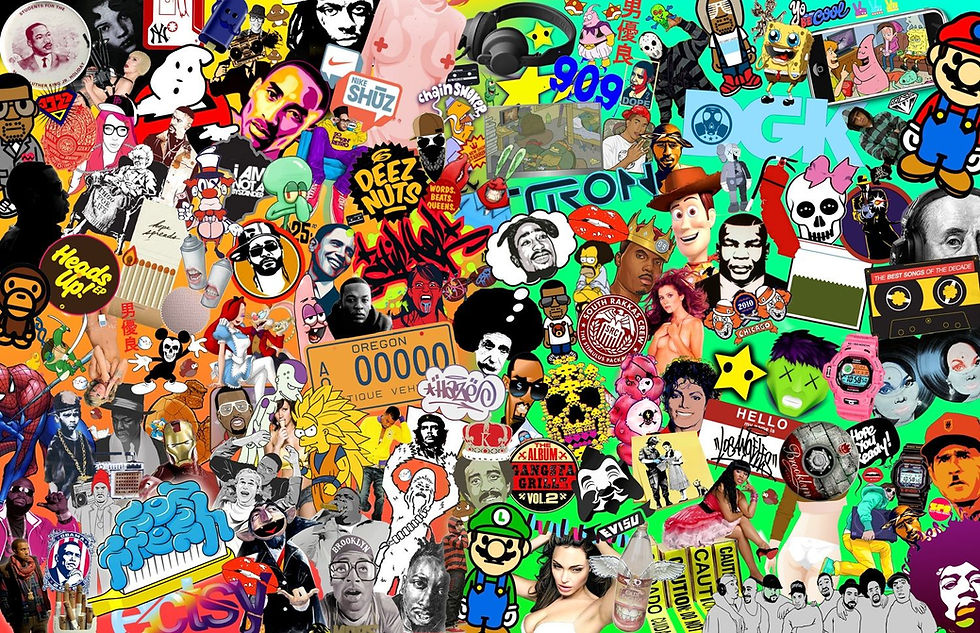
Throughout the semester, we've learned the concept of different elements in popular culture, including CSI effects, cancel culture, cultural appropriation and construction of identities.
Culture:
- A general process of intellectual, spiritual and aesthetic development
- A particular way of life, whether of a people, period of group
- The works and practices of intellectual and especially aesthetic activity
Traits of popular:
- Well liked by many people
- Inferior kinds of work
- Work deliberately setting out to win the favor of the people
Power of Celebrity
Celebrity is someone who is known for their well-knownness. There are four perspectives defining celebrity:
1. “Thronged” - The things that happen around a celebrity
2. “Celebration” - Honouring or commemorating someone or something
3. “Star” - Being known for one’s talent.
4. “Fame” - A person known for their ‘well-knownness’ (Boorstin)
Celebrities and celebrity culture has economical, social, political and cultural impact.
They can influence their audiences.

Celebrities could be:
Hounded by the paparazzi;
Ridiculed in the media;
Personal life became publicized;
Relationship and their breakdowns;
Having mental issuees...


What is Cancel culture?
Bromwich: “A total disinvestment in something” Clark: “An act of withdrawing from someone whose expression — whether political, artistic or otherwise — was once welcome or at least tolerated, but no longer is” Nakamura: “It’s an agreement not to amplify, signal boost, give money to” something
According to Habermas’ theory of the Public Sphere, public sphere is a space within social life where everyone can share their opinions freely and discuss the social problems and take actions on the political aspect by the discussion.
Based on the analysis of Posner, when the celebrity violates the social norms and the others respond with that publicly, there will be criticizations, humiliations.
Ramifications:
- Can be disproportionate to transgression
- Doesn’t leave room for change
- Can be subjective (social/cultural norms vary)
The four types of online shaming are (Laidlaw, 2017):
- Vigilantism: Outing individuals that break social and legal rules
- Bullying: Any behavior that repeatedly communicates hostile or aggressive messages intended to inflict harm or discomfort on others
- Bigotry: More classic cases of hate speech - perpetuated by groups (or “mobs”) further stigmatizing and excluding the victims
- Gossiping: The unthinking masses that re-tweet and share content without a care as to its accuracy

Comments